

Our 2026 ranking of the best UK online casinos that carry Eyecon slots, including Fluffy Favourites and Shaman's Dream. We compare licences, bonuses, mobile play, and withdrawal speeds. see the best Eyecon slot casinos for UK players
The Best Canned Cocktails in the UK You Haven’t Tried Yet
Canned cocktails UK is your shortcut to bar-quality drinks without the bartender, a lime wedge, or even a bottle opener. Simply chill, crack open, and pour over ice if you fancy—every can is pre-mixed and perfectly balanced for a foolproof serve. The magic is in the convenience: you get consistent, delicious cocktails anywhere from a garden party to a camping trip, minus the measuring jugs and sticky mess. Your favourite cocktail is now just a fridge away.
What Makes Premixed Drinks in Cans a Smart Choice for Home Bars
For a UK home bar, premixed drinks in cans offer unmatched convenience and consistent quality. You skip the hassle of sourcing niche spirits and measuring complex syrups, especially when hosting. Canned cocktails UK brands now replicate bar-grade recipes with real juice and premium liquor, ensuring every pour tastes identical—no dilution errors or over-pouring. They also solve storage issues; slim cans chill faster than bottles and fit neatly in a fridge door, saving valuable shelf space for your core bottles. With no residual mixer to go flat, waste is minimal. Whether it’s a Negroni or an Espresso Martini, you’re delivering a polished, professional serve in seconds, letting you focus on guests. For the modern British host who values speed without compromising flavour, cans redefine effortless home entertaining.
Why the Ready-to-Pour Format Beats Mixing From Scratch Every Time
For UK home bartenders, the ready-to-pour format eliminates the measurement guesswork that plagues scratch mixing, where a shaky hand or missing jigger ruins a Negroni. Canned cocktails deliver a balanced, consistent ratio—bitter, sweet, and spirit—every single pour, no straining or stirring required. You skip the cluttered counter of six bottles and a citrus press, saving cleanup time that matters after a long week. Versus scratch, which demands fresh ice, a shaker, and practised technique, the ready-to-pour can is instantly reproducible quality—just chill, crack, and serve. Even skilled mixologists appreciate the zero-waste precision, as you avoid leftover vermouth or tonic going flat between sessions.
Key Flavour Profiles You’ll Find in Quality Tinned Cocktails
Quality tinned cocktails in the UK pivot on **bold, balanced flavour profiles** that mimic fresh-shaken drinks. Expect crisp citrus-led classics—think zesty margaritas with real lime oil—alongside herbaceous, botanical-forward negronis where juniper and vermouth sing. Fruity tropical blends, like passionfruit daiquiris, rely on pureed fruit rather than syrups, delivering a natural sweetness. Smoky mezcal palomas and spicy bloody marys add savoury depth, while bitter amaro-based sours offer a grown-up, complex edge. *The finest cans layer acidity, bitterness, and sweetness so no single note dominates the palate.*
Q: What flavour profiles define premium tinned cocktails?
A: Look for vibrant citrus, rich botanicals, and authentic fruit purées—avoid anything overly sugary or flat, which signals artificial shortcuts.
How ABV and Serving Sizes Compare to Traditional Pub Pours
Canned cocktails in the UK typically land around 5–10% ABV, which mirrors the strength of a standard pub double mixed drink or a pint of craft beer. The key difference is the serving size—most cans hold 250ml, giving you roughly one and a half units, whereas a traditional pub pour often exceeds two units due to free-pouring and larger glasses. This makes it easier to track your intake without the guesswork. *The 250ml format also means you’re getting a measured, consistent dose, so a 6% can hits similarly to a short measure but with less liquid volume.* For home bars, this translates to clearer pacing: you can enjoy a single can knowing it closely matches a modest pub serve, not a hefty oversized one.

Compared to pub pours, canned cocktails offer tighter ABV control and smaller, standardised 250ml servings—so you get similar strength without the oversized glass factor.

How to Pick the Right Tinned Drink for Your Taste and Occasion
Start with your sweetness tolerance—UK cans like the Espresso Martini from Lucky Saint or the tangy Passionfruit Martini from Slingsby set the baseline. For a picnic, grab a light, citrus-forward gin soda (try Moth’s Vodka & Sicilian Lemon) that sips easy in sun. A Sunday roast calls for a bold, smoky Old Fashioned from Funkin Cocktails, while a beach day begs for a coconut rum punch from Crate. Match the ABV to the hour: low-strength (4–5%) for daytime, higher (8–10%) for evening. Check the glass—over ice or straight from the tin? “What if I’m unsure?” Buy a mixed pack (like the 4-can “Discovery” from Sipsmith) to taste-test without commitment. Always match the drink’s vibe to your crowd and weather—done.
Matching Spirit Bases—Gin, Rum, Vodka, or Tequila—to Your Palate
Your palate dictates the ideal spirit base in a canned cocktail. If you favour floral, botanical complexity, gin-based tins deliver juniper-forward profiles that pair with citrus or elderflower. For those drawn to sweeter, caramelised notes, rum’s molasses richness works best in cola or tropical blends. Vodka acts as a neutral canvas, amplifying sharp fruit or savoury flavours without interference. Tequila suits smoky, peppery preferences, particularly in margaritas or palomas where its agave bite cuts through. Consider your usual neat-pour preference: juniper, brown sugar, neutrality, or smoke.
| Spirit Base | Palate Profile | Best Tinned Format |
|---|---|---|
| Gin | Botanical, dry | Grapefruit tonic blends |
| Rum | Sweet, heavy | Spiced cola or daiquiri |
| Vodka | Clean, neutral | Berry or cucumber sodas |
| Tequila | Earthy, peppery | Lime-forward margaritas |
Sweet, Sour, or Bitter: Identifying Your Preferred Finish in a Can
Identifying your preferred finish in a canned cocktail UK hinges on the final flavour impression. A **sweet finish**, often from fruit liqueurs or simple syrup, coats the palate with lingering caramel or berry notes, ideal for dessert-style drinks. A sour finish, driven by citrus juice or citric acid, triggers a sharp, mouth-watering tang that cleanses the palate and feels crisp. A bitter finish, from vermouth or amaro, leaves a dry, complex edge that reduces perceived sweetness and adds depth. To pinpoint your preference, taste the last sip before swallowing.
- Sweet finishes pair well with low-ABV, fruity cans like rum punch.
- Sour finishes suit gin or vodka-based cans with lemon or lime.
- Bitter finishes complement dark spirits or aromatic mixers like tonic.
Single-Serve Versus Sharing Formats: Which Pack Size Fits Your Plan
Choosing between single-serve and sharing formats for canned cocktails UK hinges on your immediate plan. A 250ml can suits a solo evening or a quick pre-dinner drink, offering portion control and easy chilling. For a gathering, a 500ml or 700ml sharing can reduces waste and per-glass cost, though you must manage drinking speed to avoid dilution. Match the pack size to your serving timeline—single cans for staggered enjoyment, large formats for simultaneous pouring. Sharing formats require a plan for ice and glassware, while single-serves travel better. Q: Which pack size fits a dinner for two? A: Two single-serves, unless you both want the same flavour, then one 500ml split works.
Getting the Most Out of Your Canned Serve: Chilling, Pouring, and Garnishing
To truly master getting the most out of your canned serve with UK canned cocktails, treat the tin like a precision tool. Always decant into a chilled rocks or coupe glass over one large ice cube—this preserves dilution while releasing the spirit’s aromatic esters. Pour steadily at a 45-degree angle to aerate the mix, then stop before the last sip of sediment. Elevate the finish with a fresh citrus twist or a single expressed orange peel, which cuts through the sweetness inherent in many British-made blends. For a premium touch, freeze the glass for 20 minutes first; this is the single most effective move for chilling, pouring, and garnishing like a bartender. Never sip from the can—you lose both the nose and the visual craft.
Optimal Fridge Temperatures and Ice Guidelines for a Crisp Result
For a crisp result, chill canned cocktails to a stable optimal fridge temperature of 3–5°C for at least two hours; colder than 2°C numbs flavour, while warmer than 6°C dulls carbonation. When serving over ice, use large, dense cubes or whisky spheres—they melt slowly, preventing dilution that flattens the drink. Avoid crushed ice, as it chills rapidly but waters down the profile. For high-ABV cans, add ice directly; for low-ABV or citrus-forward serves, chill the glass first and use one king cube to maintain balance.
- Store upright in the fridge door—never the freezer—to preserve CO₂ pressure and avoid slushy texture.
- Use 1–2 large ice cubes per 250ml can; swap them out after one pour to keep the chill sharp.
- If the can is over-chilled (below 2°C), let it rest at room temperature for 3 minutes before opening to restore crisp fizz.
Glassware Suggestions and Simple Garnishes That Elevate the Can
For canned cocktails UK, resist the can and pour into chilled glassware to unlock aromatic complexity—a frozen coupe for martini-style serves, a rocks glass over one large cube for highballs, or a stemmed copa for sparkling options. The vessel’s rim shape directs the liquid and traps volatile oils, so match the drink’s original serving intention. Simple garnishes elevate the can: a expressed orange twist for negronis, a dehydrated lime wheel for margaritas, or a single mint sprig slapped gently for mojito variants. Avoid muddled fruit or sugar rims that overwhelm the pre-balanced liquid. A precise garnish—one strip of citrus, one berry, one herb leaf—adds visual signal and fresh aroma without altering the canned cocktail’s engineered flavor profile. Keep every element dry and cold before adding.
Proper Storage and Shelf Life After Opening a Tinned Cocktail
Once opened, a tinned cocktail’s shelf life collapses to 24–48 hours, even refrigerated. Immediately reseal with a tight-fitting lid or transfer to a glass bottle with minimal air space. Oxidation and carbonation loss accelerate at room temperature, so always store the open can below 5°C. Avoid leaving a metal can uncovered, as the aluminium can impart a metallic taste within hours. For best flavour, consume within one day; ingredients like citrus and vermouth degrade rapidly, turning bitter. Do not freeze, as separation and texture damage occur. Always check for fizz or off-odours before re-drinking.
Proper Storage and Shelf Life After Opening a Tinned Cocktail: refrigerate immediately, cap tightly, and drink within 24–48 hours to preserve carbonation and flavour.
Pairing Tinned Cocktails with Food and Events for a Complete Experience
Pairing tinned cocktails with food transforms any UK gathering into a seamless, refined occasion. For a summer barbecue, match a smoky Mezcal Negroni with grilled halloumi or charred corn, letting the drink’s bitter edge cut through rich, oily textures. At a festive Christmas dinner, serve a spiced rum Old Fashioned alongside roasted parsnips or stilton-topped crackers, where the warm botanicals echo the meal’s comfort. For a garden party or picnic, choose a crisp gin and tonic tin with smoked salmon blinis or lemon-dressed crab—the citrus notes brighten the seafood’s salinity. *The real skill lies in matching the cocktail’s intensity to the dish’s weight, not just its flavour profile.* Pair a lighter vermouth-based tin with delicate starters, then switch to bolder dark spirits for hearty mains or dark chocolate desserts. This approach ensures every sip and bite works together, making your event feel deliberately curated without extra preparation.
Best Can Styles for Barbecues, Picnics, and Outdoor Gatherings
For barbecues, picnics, and outdoor gatherings across the UK, prioritise sleek, lightweight aluminium cans over glass bottles, as they chill faster in coolers and are easier to carry. Choose 250ml slim cans for portability during a picnic, while 330ml standard cans suit a barbecue’s longer duration. Ring-pull lids are essential for picnics without a bottle opener, but consider cans with wide mouths for pouring over ice in shared settings. Matte or textured finishes reduce slipping from condensation—a practical advantage for outdoor events. Avoid tall, fragile formats that dent easily on uneven grass; instead, opt for sturdy, stackable designs that fit neatly in cooler bags alongside food.
Which Premixed Flavours Complement Desserts, Seafood, or Spicy Dishes
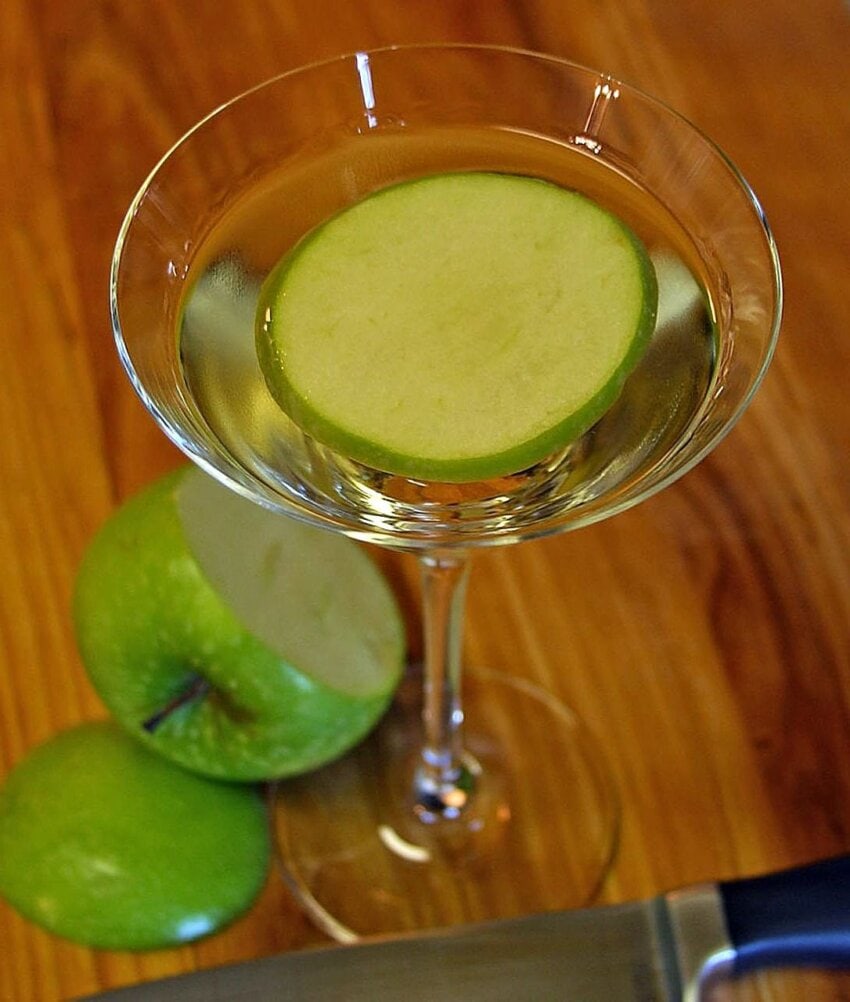
For desserts, a **canned espresso martini** or salted-caramel Old Fashioned cuts through sweetness with bitter, roasted depth. Seafood calls for bright, citrus-forward tins—think classic gin and tonic with extra lime or a zesty Paloma—whose acidity mimics a squeeze of lemon over oysters or grilled prawns. Spicy dishes demand cooling, aromatic contrast: a mango-ginger daiquiri tames heat, while a coconut-lime rum punch soothes chilli burn. Avoid heavy, syrupy premixes with delicate fish; save dark, smoky Negronis for barbecued meats. Match intensity to intensity—light tins with light bites, bold tins with fiery mains.
Pair citrus tins with seafood, bitter-coffee tins with dessert, and coconut or tropical fruit tins with spicy food for balanced canned cocktail pairing.
Using Single-Serve Tins as Party Favours or Easy Self-Serve Drink Stations
Single-serve tins solve event logistics by eliminating glassware and mixing stations, letting guests grab a chilled can and go. As party favours, personalise the tins with custom labels—guests leave with a premium, portable drink that mirrors the event’s cocktail theme. For a self-serve station, arrange tins in ice-filled galvanised buckets, grouped by flavour (e.g., Espresso Martini near desserts, Negroni near savoury bites), and add a small chalkboard sign listing the ABV and suggested garnish. This setup encourages independent pouring without queueing, and each tin’s resealable lid (on select brands) allows pacing. Curated single-serve tins as favours offer a tangible souvenir that doubles as a functional drink.
Q: How do I portion single-serve tins for a self-serve bar?
A: Allocate one to two tins per guest per hour—a 20-guest, 4-hour event needs roughly 100–140 units, adjusting for heavier drinking periods. Place a “swap me” box for flavour trades, and keep a spare cooler nearby for rapid restocking.
Solving Common Problems: Quality, Strength, and Value Questions Answered
When tackling quality worries with canned cocktails UK, the key is checking for recognisable spirits and real juice content rather than vague “flavouring”—this instantly separates premium pours from syrupy letdowns. Strength questions often revolve around ABV confusion, so always verify the percentage on the can; most UK offerings sit between 5% and 10%, meaning a 250ml can at 8% delivers roughly two units, which you must factor into your pacing. Value, meanwhile, isn’t about the cheapest tin—it’s the cost per enjoyable serve, comparing a £3.50 quality canned Negroni against a £5 pub version, saving cash and queuing time. However, remember that a higher ABV doesn’t automatically mean better taste—balance of botanicals matters more than raw kick. Finally, if a can tastes watery or overly sweet, chill it harder and add a single large ice cube to rescue the texture, while always shaking the can before opening to redistribute settled sediment. For strength transparency, scan the side panel for the exact unit count, not just the ABV, to avoid over-pouring. Stick to brands that list batch numbers—that’s your strongest signal of consistent quality control across every single can you buy.
What to Do If the Drink Tastes Too Sweet or Too Strong
If your canned cocktail tastes too sweet or too strong, adjust it rather than abandoning it. For excessive sweetness, add a splash of soda water, tonic, or citrus juice—lime or lemon—to cut the sugar and balance the profile. For an overly strong drink, lengthen it with a non-alcoholic mixer like ginger ale or sparkling water, which dilutes the ABV without flattening flavour entirely. Taste incrementally, as overcorrecting makes it watery. _What to Do If the Drink Tastes Too Sweet or Too Strong_ depends on the base spirit: gin suits elderflower tonic; rum pairs with cola. Balancing canned cocktails with a matching mixer preserves their intended character.
Q: Can I fix a too-sweet canned cocktail without watering it down?
A: Yes—add a few drops of bitters or a squeeze of fresh lemon juice. These heighten acidity and bitterness, masking residual sweetness while leaving the drink’s body intact. For a too-strong can, ice cubes melt slowly, gently lowering strength without sudden dilution.
Comparing Cost Per Serve Against Bottled Mixers and Restaurant Prices
When evaluating cost per serve for canned cocktails in the UK, the comparison against bottled mixers plus your own spirits reveals a narrow margin. A 250ml can at £3.50 delivers roughly one 5% ABV serve; buying a 700ml bottle of gin and a 1L tonic separately costs around £25 upfront, yielding 10–12 serves at £2.10–£2.50 each—before adding ice, citrus, and wastage. Restaurant prices, however, typically range £8–£12 per cocktail, making canned options 60–70% cheaper. The real value emerges when you factor convenience: no spoilage of open mixers, no over-pouring, and consistent strength. For single-drink occasions, cans beat both the waste of bottled mixers and the restaurant markup; for volume hosting, DIY remains cheaper, but only if you consume everything.
Are There Low-Calorie or Low-Sugar Options in the Tinned Category
Absolutely, the low-sugar canned cocktail scene in the UK is growing fast. You’ll find low-calorie canned cocktails that swap traditional sugary mixers for diet tonic or sparkling water, cutting the count to roughly 80–100 calories per can. Look for brands using stevia or erythritol to keep sweetness without the sugar crash. Just check the back label—many “light” versions still pack fruit juice, which adds natural sugars. The key is balancing flavour with your goals, so don’t assume every slim can is sugar-free.
- Seek “low-cal” or “skinny” labels, which usually mean under 100 kcal per 250ml.
- Watch for alcohol content—higher ABV often means more calories, even in reduced-sugar recipes.
- Try vodka or gin-based options with soda; they’re Boozy naturally lighter than rum or liqueur mixes.