

Our 2026 ranking of the best UK online casinos that carry Eyecon slots, including Fluffy Favourites and Shaman's Dream. We compare licences, bonuses, mobile play, and withdrawal speeds. see the best Eyecon slot casinos for UK players
The summer time, starting for Brazil in September each year, begins with torrential rains. This popular travel destination is known for the recent World Cup Football games and magnificent natural sculptures and formations in Rio de Janeiro.
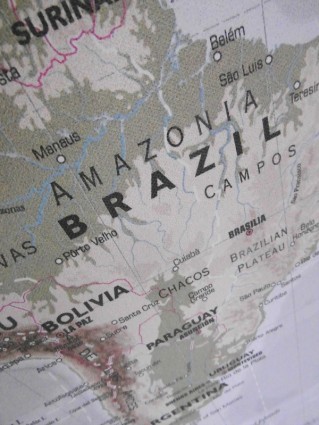
Brazil shares vast sections of the Amazon River basin with its neighboring countries. This region of the world normally enjoys tumultuous amounts of fresh water from rivers and abundant rainfall. Brazil is fortunate-it enjoys 12% of the world’s fresh water and has only 3% of the world’s population. The country receives more rain fall than any other country in the world. Russia comes in at a distant second.
Just like the Western United States, North Eastern China, and recently large sections of Australia, Brazil has also endured severe droughts. The 2013 drought in Brazil was the worst in over 80 years. Reservoirs, lakes, and rivers virtually dried up. Many water supplies were diminished to less than 5% of their capacity, taps ran dry, and factories were forced to close. This was undoubtedly a major shock and concern to the people of Sao Paulo.
There are many reasons why the rains did not come in the summer of 2013. Many global environmental scientists point to the transformation of the Amazon River basin into agricultural lands as a cause for the drought. The global expansion and development of humans as a species has often necessitated agricultural proliferation and environmental depletion of a territory.
Approximately 20% of the Amazon Rain Forest has been cut down. Much of this is in support of raising cattle. Brazil has developed, through specialized breeding, some of the most in-demand cattle in the world. Land claimed from the Amazon is converted to grass pasture to feed the ever growing herds. Unfortunately the claimed area does not sustain well. Grass lives for a couple of years, then the nutrient poor soil will no longer sustain. This forces the farmer and ranchers to cut down more rainforests and so on.
The Amazon contributes to almost incomprehensible quantities of water vapor. Estimates show that the amount of water vapor is roughly equal to the amount of water flowing from the Amazon River. This is estimated to be 200,000 cubic meters every second. Through normal evapotranspiration, the water vapor leaves the rainforest and travels into the atmosphere. This tremendous amount of water vapor forms rivers of moisture: “Flying Rivers.” The prevailing winds push the flying rivers of water vapor toward the Andes Mountains where it is re-directed and normally goes to Eastern Brazil. This phenomenon is often responsible for causing the torrential rains at the beginning of the Brazilian summer.
The extraordinary surface area and warm temperatures in the Amazon rainforest contribute to evapotranspiration that is 10 times the amount produced form the same amount of area from our oceans. As the rainforest is converted to farmland and for the raising of cattle, the Flying Rivers continue to diminish.
It is easy to insist upon countries to control the harvesting of their own lands. In reality, it is a global issue that should be addressed. There are many things that we can do to control deforestation. When consuming products make sure they are made of 100% post-consumer materials and products. Only buy product from companies that support forest protection and environmental sustainability. Talk to your family and friends when they travel and get the word out regarding our responsibilities.
Set an example when we travel abroad; take a stroll or ride a bicycle to a favored tourist spot or restaurant. I was fortunate to enjoy parts of Campinas SP during my trip; often walking to the local supermarket or outdoor market instead of taking a cab or car service. Renting a bicycle was easy and fun. These simple steps set an example and reduce vehicle emissions.
Contributing time or money to any of the numerous environmental funds is one way to help protect the rainforests. The World Wildlife Fund is one example. The WWF and the Brazilian government recently established the Amazon Region Protected Areas Program (ARPA). The program is designed to be self-perpetuating and protect 150 million acers of the Brazilian Rainforest over the next 25 years.
————————-
About the Author
Philip Kemp develops industrial wastewater and chemical recovery technologies. These technologies have been applied for water recovery and conservation at many companies worldwide. Millions of gallons of highly polluted wastewater has been purified and recovered for reuse each year. Extensive travel has provided Phil with some unique insights into the global water needs. Currently on assignment in Brazil, Phil’s is working on many projects at multinational pulp and paper facilities to recover wastewater. Many of the pulp and paper companies in Brazil cultivate their own eucalyptus for the production of paper and packaging materials.